
History Day 2026: Saturday 24 October
Blisworth: the Past is Ever Present
Northamptonshire Heritage Forum with Blisworth Heritage Society.
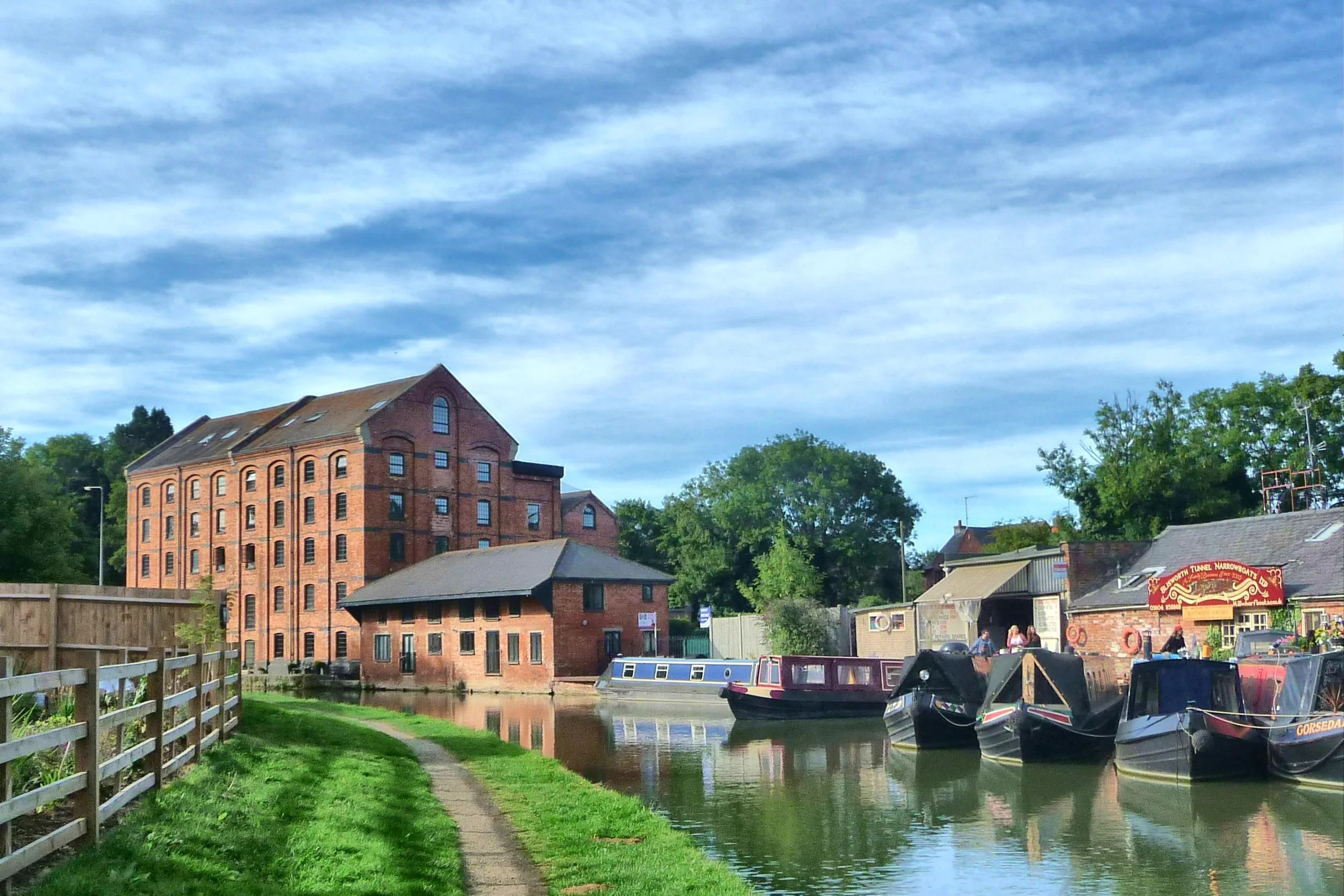
A village with a turbulent past. Situated close to the Roman town of Lactodorum (now Towcester), Blisworth was surrounded by Roman villas. A typical Saxon village, the lordship was given to William Peverel after the Norman Conquest, passing to the Wake family to the Knightley’s and the crown, which in turn granted it to the Dukes of Grafton.
For several centuries Blisworth was a typical rural village whose fortune reflected the involvement of the various Lords of the Manor. Blisworth was predominantly lucky and benefitted from many innovations in education, farming and stone quarrying.
All changed in the late eighteenth- and nineteen-centuries when changes in transport, road, canal and rail transformed the village into an industrial hub. Stone quarrying and a steam driven flour mill added to the changes.
In 2025, the Baptist Chapel celebrated its bicentenary and in 2026 the Church is celebrating 800 years of a continuous line of rectors. Both buildings are of historical interest and reflect the changes in the village.
All this history is captured on the tapestry which charts the history of the village from Roman times until the present day. The tapestry is housed in the Baptist Chapel.

The Blisworth Railway Viaduct, also known as the Blisworth Arch
Speakers
Carol Arnall in 2005 had the inspiration to create a tapestry charting the history of the village. The Baptist Church had recently opened the coffee house in one of their rooms and wanted an artwork for one of the walls. Carol was newly retired from a management role in a local company and wanted to utilise her time and skills in a community project. She was used to co-ordinating teams of people and managing projects. She was interested in needlework and local history. Her skill and enthusiasm brought together local artists and needleworkers who in five years produced a tapestry consisting of seven large panels charting the history of the village from Roman times to the present day.
Andy Newberry is Blisworth born and bred. From very early childhood he was taken to see the trains hurtling through Blisworth station on the mainline from London to Birmingham. Andy has lived through the major changes to the railway in Blisworth, from the closing of the station after the notorious Beeching Plan to the development of diesel and electric trains replacing steam. Educated and living locally has enabled Andy to develop his expertise on the history and impact of the railway in Blisworth.
Ray Payne is a retired headteacher and history teacher, who has published The story of Blisworth Baptist Church following five years of intensive research. Released for the church's 200-year anniversary in September 2025, the book documents the rich legacy of Blisworth’s protestant dissenters. Ray will share highlights of the evolution from early, secretive meetings held in homes and a farmer’s barn to the formal establishment of the chapel in 1825. He will highlight the people, triumphs, and hurdles that shaped the congregation, illustrating how the Baptist movement became a key part of village life over two centuries of continuous change.
Hilary Spurrier has had an interest in local history since childhood when the headteacher/author JL Carr took his pupils on school trips around the county. After graduating from Leeds University with a History degree, Hilary had a career in education that dominated the next 40 years as teacher, head of department, senior leader, Ofsted Inspector and local authority adviser. In retirement Hilary has chaired the Blisworth Heritage Society, overseeing the village Scrapbook Project and the development of a permanent home for the village archive. Hilary has given many talks about Blisworth’s history.
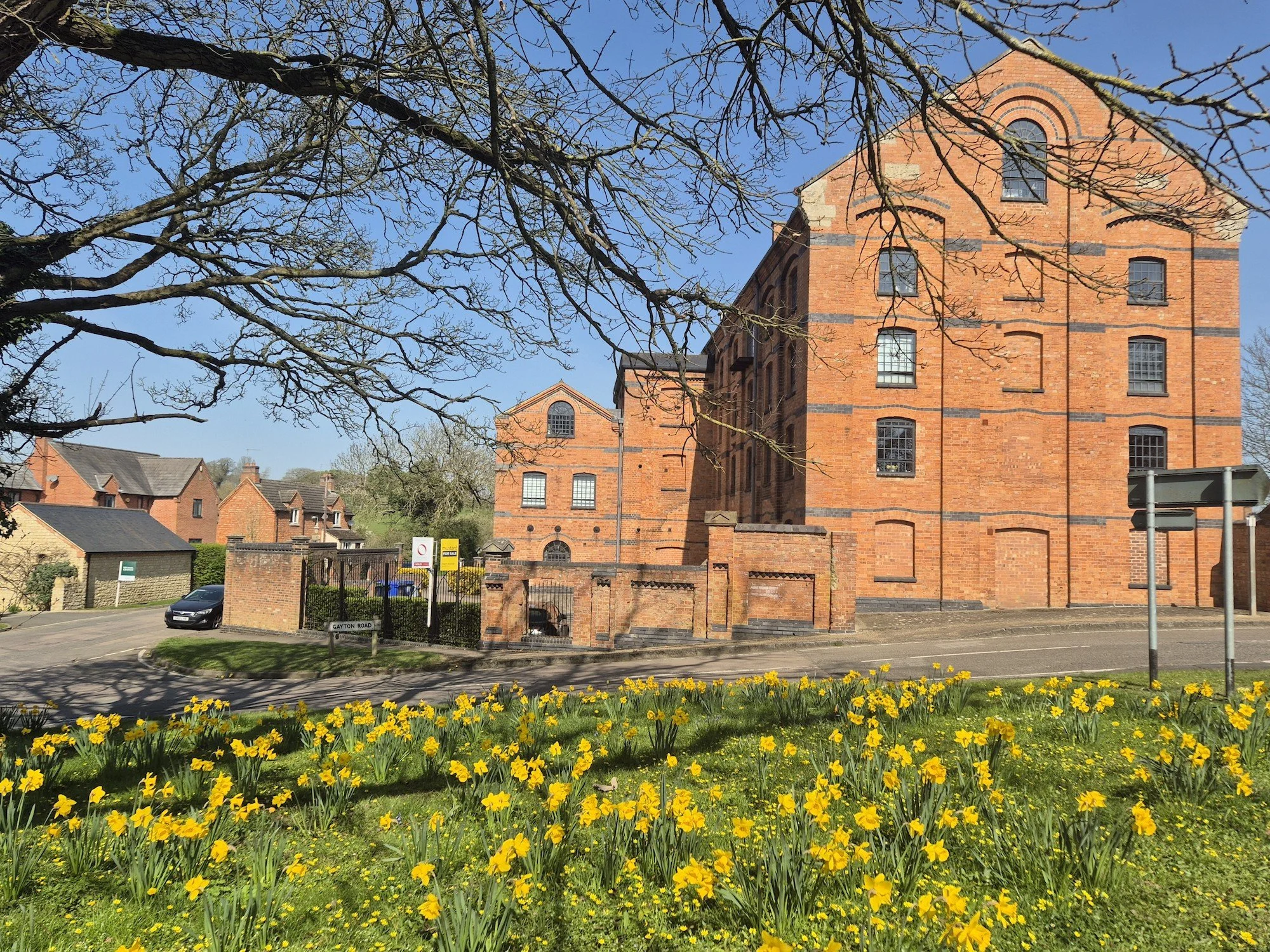
Blisworth Heritage Society
The society was founded in November 2002 with a bequest by village historian George Freeston. The specific aims of the society are to provide members and visitors an opportunity to share and explore an interest in the history of Blisworth and its surrounding area. It actively encourages research and raising awareness in Blisworth Heritage, by producing displays and publishing material.
The extensive historical village archive now held by the society is housed at the Blisworth Village Hall.
The society is open to all and meetings are held at the Village Hall on the Second Friday of each month at 7.30pm.
How to book
Two options: you can either complete the online form on this page OR download the printed form below it. The cost is £27.50 per person and includes refreshments and lunch. If there are any special dietary requirements, it is important to list these against the member’s name on the form where indicated. You can include up to four attendees on the form but only one contact address is required. Admission tickets will be sent out from mid-September.
Closing date: Monday 5 October 2026.
If you prefer, you can download a printed form and send it to the Forum by post, along with a stamped, addressed envelope for your tickets. You can include a cheque or pay by bank transfer, as above.
The Northamptonshire Heritage Forum gives formal notice that it makes arrangements for this event as Agents on behalf of each member attending and no liability can be accepted by the Forum for any injury, loss or inconvenience caused by any person in consequence of the event.
The programme

09.15 Registration – tea and coffee available
10.00 Welcome
10.05 Blisworth: A village with a fascinating history - Hilary Spurrier
10.55 Blisworth Railway History - Andy Newbury
11.30 Coffee
12.00 Exploring Blisworth Heritage Society Archive - Members of the society
13.00 Lunch
14.00 Choose an afternoon tour on the day (departing from Blisworth Village Hall)
Village Trail of Blisworth
Visit to St John Church
Tour of Blisworth Archive and short walk to the Baptist Chapel
15:00 Visit to the Baptist Chapel - Ray Payne
15:30 The Blisworth Tapestry in the Chapel - Carol Arnall
16.00 Tea and cakes at the Baptist Chapel
17.00 Depart